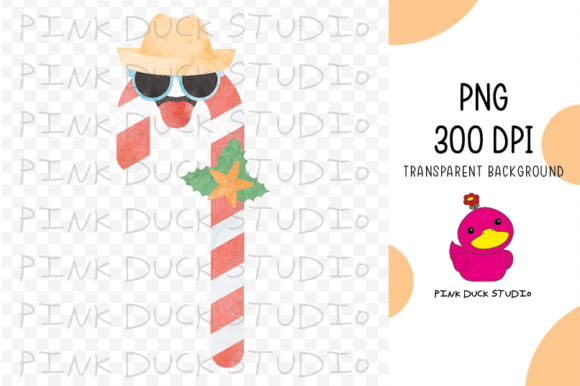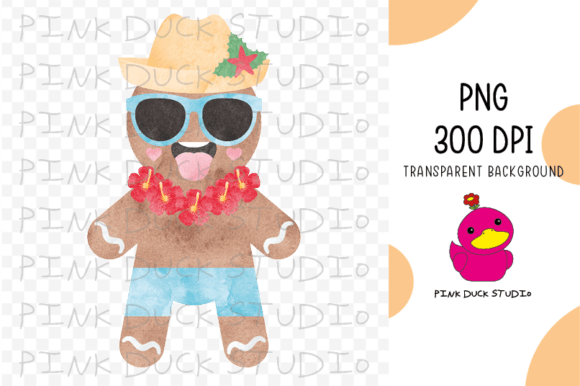
Watercolor Gingerbread Christmas in July Graphics for Crafts
When I first opened the file for Watercolor Gingerbread Christmas in July, I immediately felt a shift in the mood of the project. As a brand designer who has spent years refining identities for local bakeries and boutique shops, I look for assets that do more than just fill space; they need to tell a story. This particular graphic design asset exudes a warm, nostalgic, and distinctly handmade personality. It feels soft yet festive, perfect for a business that wants to convey organic quality and heartfelt craftsmanship rather than cold, industrial efficiency.
The watercolor texture gives it an artisanal touch that resonates deeply with today's consumer who values authenticity. It suggests a brand that is friendly, approachable, and perhaps a bit playful. I can easily envision this asset anchoring the visual identity of a small-batch cookie company, a cozy coffee shop launching a holiday menu, or a skincare line introducing a limited-edition seasonal scent. The aesthetic bridges the gap between rustic charm and modern elegance, making it a versatile tool for small business branding across various industries.
Integrating Visuals into Real Packaging and Product Labels
In my experience designing for physical products, the transition from digital file to tangible shelf appeal is where many brands stumble. However, Watercolor Gingerbread Christmas in July offers a robust foundation for packaging design. With a resolution of 300dpi and dimensions around 12 inches in height, this PNG design provides the clarity needed for high-quality printing on product labels, hang tags, and sticker seals.
I recently considered using this asset for a local bakery's summer holiday campaign. Placing the gingerbread illustration as a decorative accent on the side of a premium cupcake box instantly elevates the perceived value of the product. It creates a stronger first impression before the customer even reads the flavor name. When applied correctly, these design assets improve visual hierarchy by drawing the eye to key elements without overwhelming the essential information like ingredients or nutritional facts.
- Product Labels: Use the graphic as a border element to frame text, ensuring the brand looks cohesive and professional.
- Hang Tags: A single, high-resolution image works beautifully on cotton twine tags attached to clothing or gift sets.
- Stickers: Cut-out versions of the clipart can serve as thank-you stickers included in every order, fostering a deeper emotional connection with the customer.
Enhancing Marketing Visuals and Social Media Presence
Beyond physical goods, this asset is a powerhouse for marketing visuals and digital engagement. In the crowded world of social media graphics, having a unique, hand-painted style helps a brand stand out against generic stock photography. The transparent background allows me to layer the gingerbread motif over brand colors, website banners, or promotional ads seamlessly.
For a creative entrepreneur managing a seasonal campaign, this illustration serves as a hero graphic. Imagine a Facebook ad for a candle brand featuring the gingerbread art alongside their new "Spiced Vanilla" scent. The watercolor style adds a layer of sophistication that pure vector art sometimes lacks. It also works well in editorial design contexts, such as newsletter headers or printable inserts included in subscription boxes. By maintaining consistency across these channels, businesses build a clearer visual identity that customers can recognize at a glance.
Strategic Placement: Where the Asset Shines
To maximize the impact of Watercolor Gingerbread Christmas in July, strategic placement is key. It thrives in areas where decoration supports the message rather than distracting from it. I recommend using it for product mockups to showcase how a brand would look in real life, or as a decorative element on thank-you cards to add a personal touch to the unboxing experience.
It is particularly effective for boutique visuals and seasonal packaging where the goal is to evoke a specific feeling of warmth and celebration. Whether you are a florist adding a festive tag to a bouquet or a home decor shop promoting a limited collection, this graphic acts as a subtle but powerful brand signal. It reinforces the idea that the business cares about details, which translates directly to improved customer trust and loyalty.
Design Constraints and Professional Caution
However, not every application is suitable for this level of whimsical detail. As a seasoned designer, I must caution against using this asset in formal corporate branding or for luxury minimalist brands where stark simplicity is the rule. If your brand identity relies on strict geometric lines and negative space, a watercolor gingerbread figure might feel too busy or informal.
Careful consideration is also required when dealing with very small labels or layouts already heavy with ingredient lists and legal disclaimers. In these scenarios, the graphic could compete with important text, ruining the legibility of the package. Avoid placing it in low-contrast backgrounds where the soft edges might disappear, or in designs where the decoration distracts from the core product message. Remember, the rule that clipart must not be used as standalone graphics means we must integrate it thoughtfully into a larger composition.
Essential Brand Designer Notes for Implementation
Before committing to a full rollout, there are practical steps every local business owner should take. First, test the asset on real packaging mockups. Seeing the 12-inch height file scaled down to a tiny jar label is crucial to ensure the watercolor details remain crisp and don't blur. Check the black and white usage to verify contrast levels, and preview it on small screens to see how it holds up in mobile social media feeds.
I also advise comparing it with competitor packaging to ensure your brand remains distinct. Review the PNG transparency thoroughly to avoid any white halos around the edges when placed on colored backgrounds. While this is a raster file, understanding its limitations compared to an SVG design is vital for scalability. Test the illustration beside different font styles—serif fonts often pair well with the traditional watercolor look, while script fonts can enhance the handwritten vibe. Always confirm your commercial license before using these graphics for client work or physical product sales to avoid legal issues.