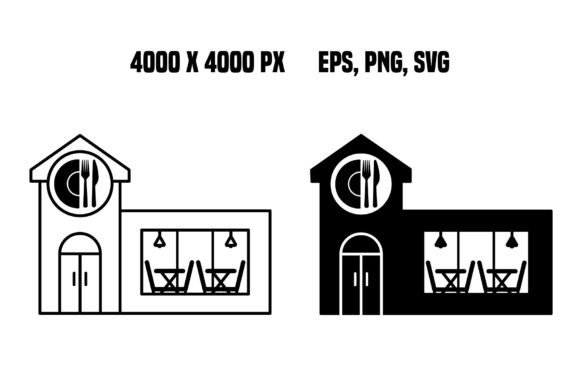
Restaurant Building Icons: Essential Graphics for Modern Publishing
As a digital publisher who has spent years refining blog layouts and editorial systems, I know that the difference between a casual hobby site and a professional brand often comes down to the smallest details. Recently, I had the opportunity to review a specific graphic design asset known as Restaurant Building Icons. This collection is not just a set of images; it is a strategic tool designed to elevate visual communication in content publishing. When you are building a website, creating newsletters, or designing social media visuals, the quality of your imagery dictates reader trust. These graphics offer a polished look that can transform how your audience perceives your content.
The First Impression: Editorial Mood and Visual Identity
Upon opening the files, the immediate takeaway was the clean, modern aesthetic of the Restaurant Building Icons. In the world of editorial design, the mood you set in the first few seconds determines whether a visitor stays or leaves. These icons create a lifestyle-focused yet professional atmosphere. They feel approachable and inviting, making them perfect for niches like food blogging, travel guides, local business directories, or hospitality reviews. The design avoids being overly decorative or childish; instead, it strikes a balance that feels sophisticated enough for a high-end magazine but accessible enough for a small business owner.
This visual style supports content that needs to look clickable and trustworthy. Whether you are writing about the best brunch spots in town or launching a culinary digital guide, these icons provide a consistent visual anchor. They suggest reliability and attention to detail. For a creative entrepreneur or an affiliate marketer, this level of polish is crucial because it signals that the information provided is curated and valuable. The graphic design asset fits naturally into workflows that require a cohesive brand identity without overwhelming the text.
Integrating Graphics into Real Publishing Workflows
In my daily workflow as a blogger, I constantly need assets that can be adapted across multiple platforms. The versatility of this vector collection makes it ideal for a wide range of blog graphics and web design projects. Imagine preparing a featured image for a new article on "Top Family Restaurants." Instead of using a generic stock photo, placing one of these stylized buildings creates a unique thumbnail that stands out in a crowded feed.
These assets shine when used in Pinterest pins. Since Pinterest is a visual search engine, having a distinct, recognizable icon helps users instantly identify the topic of your pin. You can combine the building graphic with bold typography to create a header for a downloadable resource, such as a worksheet or a digital guide. Newsletter creators will find value in using these as section dividers or category thumbnails within email campaigns. By maintaining a consistent visual language, you improve content marketing efforts and make your emails more engaging.
For those creating lead magnets or eBook covers, the high resolution of these files ensures they look sharp even when scaled up. A professional-looking cover increases the perceived value of your freebie, leading to higher conversion rates. Additionally, if you are a designer working on Canva templates for clients, having access to transparent SVG and PNG versions allows for seamless integration into various layouts. The ability to use these elements in commercial design means you can monetize your work by selling templates or offering premium services to small business branding clients.
Boosting Performance Through Visual Hierarchy
One of the primary goals of any publisher is to establish a clear visual hierarchy. When a user lands on your page, their eye should be guided naturally to the most important information. Using Restaurant Building Icons strategically can enhance this flow. For instance, placing a large version of the icon next to a headline creates a strong focal point, drawing attention before the reader even scans the text.
This asset supports better click-through potential by adding a layer of professionalism to your content pages. When your site looks well-designed, readers are more likely to trust your recommendations, which is vital for affiliate marketing. If you are promoting restaurant booking services or food delivery apps, these icons serve as subtle visual cues that reinforce the subject matter. Furthermore, consistent branding across your website header, social media previews, and digital ads creates a stronger brand identity. It tells your audience that you are serious about your craft, which fosters long-term loyalty.
Strategic Placement: Where These Icons Shine
To get the most out of this design asset, it is essential to know where it performs best. Hero images are a prime location. A large, high-resolution rendering of the building icon can serve as a striking background element behind your main value proposition. Similarly, article thumbnails benefit significantly from these graphics, as they add a pop of color and shape that breaks up the monotony of text-only lists.
Editorial accents are another excellent use case. You can place smaller versions of the icons alongside pull quotes or key takeaways to break up long-form content. For digital downloads, these icons work beautifully as decorative elements on printable designs or worksheets. In newsletter headers, they act as a visual signature, helping subscribers instantly recognize your brand in their inbox. Social media posts also gain depth when these graphics are used as overlays or background elements, ensuring your feed looks cohesive regardless of the platform.
Cautions and Technical Considerations
While these Restaurant Building Icons are versatile, there are scenarios where they should be used carefully. On very small mobile thumbnails, complex details might get lost, so simplifying the design or pairing it with larger text is advisable. Avoid using these graphics on busy layouts where they might compete with other visual elements. If your website relies on a strictly minimal visual system, ensure the style of the icon aligns with your existing aesthetic to avoid clashing.
Serious professional niches, such as corporate finance or legal advice, might find this playful or lifestyle-oriented style too informal. In such cases, a more abstract or geometric representation might be preferable. Always consider your target audience's expectations when selecting a creative design element.
Practical Publisher Notes for Implementation
Before integrating these graphics into your live site, there are several technical steps you must take. First, test the icons on both desktop and mobile screens to ensure they scale correctly. Check how they appear as thumbnails in search results and social feeds. Preview the final layout with actual headline text to confirm that the visual weight is balanced.
Contrast and readability are non-negotiable. Ensure the icon stands out against your background colors. If necessary, adjust the brightness or add a shadow. Try viewing the asset in black and white to verify that the form remains clear without relying on color. Typography pairing is also critical; experiment with serif fonts for a classic look, sans-serif for a modern feel, or script fonts for a personal touch. The right font combination can elevate the entire design.
Finally, always review the file size for web performance. Large 300 dpi images at 4000 pixels wide can slow down your site if not compressed properly. Use tools to optimize the PNG and JPEG exports while maintaining quality. Most importantly, confirm your commercial license before using these assets on monetized websites or paid products. Understanding the terms of use protects your business and ensures you are compliant with intellectual property laws.
In summary, this collection of graphics offers a powerful way to enhance your digital presence. By incorporating Restaurant Building Icons into your editorial strategy, you create a more engaging, trustworthy, and professional online experience. Whether you are a seasoned publisher or a new creative entrepreneur, these design assets provide the foundation you need to build a standout brand in the competitive digital landscape.