Dynamic Engineering Vertical Flyer: Premium Graphics for Print Templates
As a brand designer who has spent years refining visual identities for tech startups and industrial manufacturers, I know that the difference between a campaign that converts and one that fades into the background often lies in the details. Recently, I evaluated a specific graphic design asset called the Dynamic Engineering Vertical Flyer. This piece is categorized under Print Templates and falls squarely into the realm of professional Graphics. My goal was to determine if this template could genuinely elevate a client's marketing materials or if it was just another generic file to be ignored. After running it through a series of real-world scenarios, I found it to be a surprisingly versatile tool for brand identity and content marketing.
The First Impression: A Mood of Precision and Authority
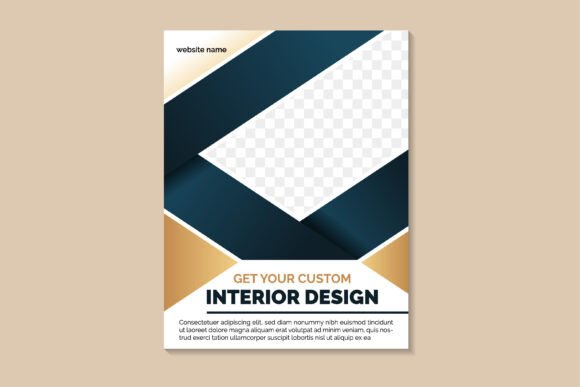
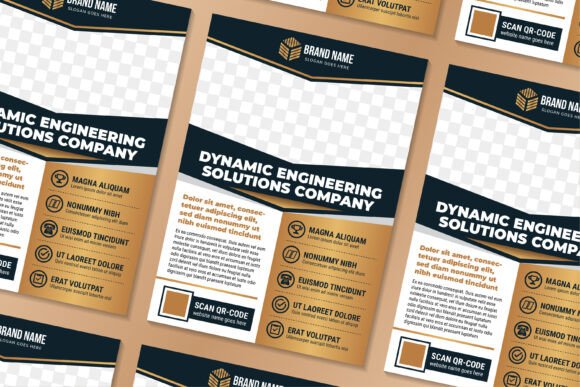
When you first open the Dynamic Engineering Vertical Flyer, the immediate feeling is one of calculated precision. The description highlights a black and gold on elements color scheme, which instantly signals premium quality and sophistication. Unlike many templates that feel cluttered or overly busy, this design leverages negative space effectively, creating a clean canvas for a photo collage and text on a white background. This combination creates a mood that is both modern and authoritative.
In the context of small business branding, this emotional tone is crucial. It does not scream for attention in a chaotic way; instead, it commands respect. For a company launching a new product or promoting a seasonal offer, this asset provides the perfect backdrop to establish trust immediately. It feels suitable for commercial marketing materials where professionalism is non-negotiable. The vertical orientation makes it particularly striking for digital environments where users scroll quickly, ensuring that the visual hierarchy guides the eye naturally from the bold header down to the call-to-action.
Real-World Application: From Concept to Campaign Launch
To understand the true value of this design asset, imagine a scenario where a small manufacturing firm is launching a new line of industrial technology solutions. They need to refresh their social media visuals, create engaging Pinterest pins, and prepare a digital campaign for their website headers. This is where the Dynamic Engineering Vertical Flyer becomes indispensable.
I tested this template by integrating it into a multi-channel workflow. First, as a hero graphic for their landing page, the black and gold accents provided a sleek contrast against the white space, making the product images pop. Next, I adapted the layout for Instagram posts and Facebook ads. Because the design includes dedicated space for a photo collage, it allowed us to showcase multiple angles of the machinery without overwhelming the viewer. The result was a cohesive look across all platforms, proving that this digital product supports consistent branding far better than piecemeal designs.
This versatility extends beyond simple banners. The template can serve as a foundation for lead magnets, media kits, and even printable promotions for trade shows. By using a unified visual language, the brand achieves stronger recognition and improved audience trust. The asset proves that high-quality marketing visuals do not require custom illustration from scratch; sometimes, a well-crafted Canva template or similar design bundle is all you need to achieve a professional appearance.
Strategic Brand Communication and Visual Hierarchy
One of the most critical aspects of effective content marketing is visual hierarchy. The Dynamic Engineering Vertical Flyer excels here by clearly separating the headline, the imagery, and the supporting text. This structure ensures that the message is communicated quickly and clearly, which is essential for capturing the attention of busy decision-makers.
When used correctly, this asset helps brands communicate their value proposition without looking messy. The black and gold palette adds a layer of perceived value, suggesting that the products being promoted are top-tier. This is particularly effective for product labels, packaging design inserts, and promotional banners where the first impression determines whether a customer engages further. By enhancing the visual presentation, the template contributes directly to a stronger emotional connection with the audience.
Furthermore, the design supports various font pairings. I recommend testing it with a bold sans-serif font for headlines to match the engineering theme, paired with a clean serif font for body text to add a touch of editorial elegance. This flexibility allows creative entrepreneurs to tailor the modern design to fit their specific niche, whether they are selling technical services or lifestyle products related to industry.
Where This Asset Shines and Where Caution Is Needed
The Dynamic Engineering Vertical Flyer is an excellent choice for several specific use cases. It works best as a hero graphic for campaign launches, a branded template for content bundles, and a decorative element for editorial layouts. Its vertical format is ideal for social media covers, story highlights, and mobile-friendly advertisements. Additionally, it serves as a powerful tool for creating merchandise graphics, stickers, and digital product visuals that need to stand out in a crowded marketplace.
However, no single asset is perfect for every situation. There are scenarios where this design should be used carefully. If your brand relies on dense information layouts, such as detailed technical specifications sheets, the artistic nature of the flyer might distract from the data. Similarly, for formal corporate branding that requires extreme minimalism, the gold accents might feel too decorative. It is also important to consider the scale; while the design looks great on desktop screens, you must test its readability in small sizes on mobile devices to ensure the text remains legible.
Additionally, if your brand already uses a very heavy, dark aesthetic, introducing a white background with black and gold elements might create a jarring disconnect unless handled with care. In these cases, the asset should be used as a complementary element rather than the primary visual driver. Always compare the design against competitor visuals to ensure it offers a unique advantage rather than blending in with existing trends.
Practical Designer Notes for Implementation
Before deploying the Dynamic Engineering Vertical Flyer in a live campaign, there are several practical steps every designer and marketer should take. First, test the asset with your actual brand color palette. While the black and gold theme is strong, you may need to adjust the shades to align perfectly with your logo and other design assets.
Check the usage of black and white to ensure sufficient contrast for accessibility. Place the template inside real campaign mockups to visualize how it interacts with your photography and copy. Previewing it on mobile screens is non-negotiable, as a significant portion of traffic comes from smartphones. Review the spacing and balance to ensure that the text does not compete with the main message or the photo collage.
Finally, confirm the commercial license before using the file in paid campaigns, client work, or extensive business branding. Understanding the licensing terms protects your business and ensures you have the right to use the SVG design, PNG design, or any included clipart and illustrations. By following these guidelines, you can maximize the potential of this creative design tool.
In conclusion, the Dynamic Engineering Vertical Flyer is more than just a template; it is a strategic component of a robust visual strategy. For brand owners, marketers, and content creators looking to elevate their professional branding, this asset offers a reliable path to creating memorable campaign visuals. Whether you are designing web design headers, digital ads, or editorial design pieces, this graphic design asset provides the structure and style needed to succeed in today's competitive market.